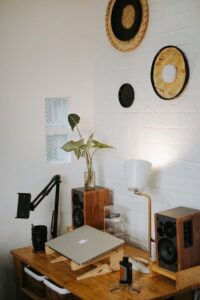
Tips for Creating a Productive Home Office Space

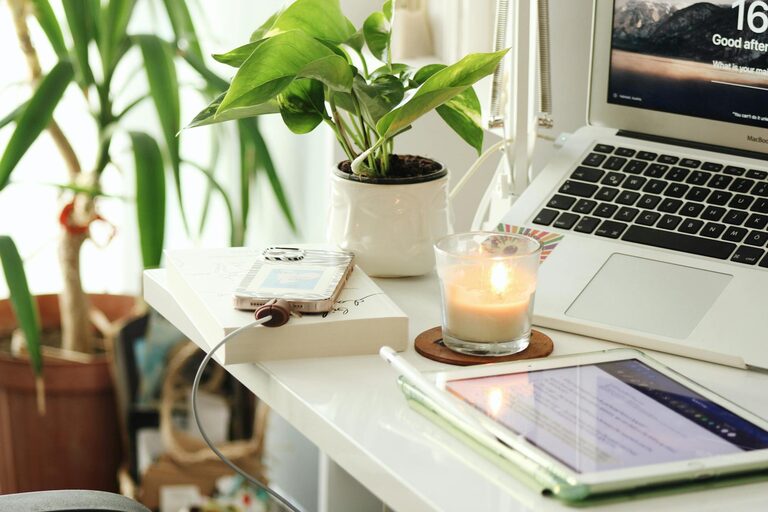
Creating a productive home office space can significantly improve your focus and work output, especially if you spend long hours working from home. A well-designed workspace not only promotes efficiency but also helps maintain a healthy work-life balance. Whether you have a dedicated room or a small corner, these tips will assist you in making the most of your home office.
Choose the Right Location
Selecting the best spot for your office is crucial. Ideally, pick an area that is quiet and has minimal distractions. A space with plenty of natural light is beneficial, as it helps reduce eye strain and improves mood.
Consider these factors when choosing your location:
– Distance from household traffic
– Availability of power sockets
– Good ventilation
– Proximity to a window for natural light
If space is limited, even a well-organised corner with a desk and chair can work well.
Invest in Comfortable and Functional Furniture
Comfort is key for long working hours. An ergonomic chair that supports your posture and a desk at the right height can prevent discomfort and health issues.
Tips for furniture:
– Choose an adjustable chair with lumbar support.
– Ensure your desk allows enough space for your equipment.
– Consider a sit-stand desk to alternate between sitting and standing.
– Use monitor stands to keep screens at eye level.
Organise Your Workspace Efficiently
An organised workspace reduces stress and saves time. Keep only essential items on your desk and store the rest neatly.
Some organisation ideas:
– Use drawer organisers for stationery.
– Install shelves or storage units for documents.
– Label boxes or files for easy identification.
– Regularly declutter to keep the area tidy.
Optimise Lighting
Good lighting prevents eye strain and keeps you alert. Natural light is the best, so arrange your desk near a window if possible.
Additional lighting tips:
– Use desk lamps with adjustable brightness.
– Avoid harsh overhead lighting that creates glare.
– Consider warm LED bulbs to create a comfortable atmosphere.
Minimise Distractions
Distractions can hamper productivity. Creating a distraction-free environment is essential to stay focused.
Ways to minimise distractions:
– Set boundaries with family or housemates during work hours.
– Use noise-cancelling headphones if your environment is noisy.
– Keep mobile phones on silent or use apps to limit social media.
– Designate specific break times to avoid constant interruptions.
Personalise Your Space
A personalised space can motivate you and make the office more enjoyable.
Ideas include:
– Adding plants to improve air quality and add a touch of nature.
– Displaying inspirational quotes or artwork.
– Using colours you find calming or energising.
Technology Setup and Cable Management
A good technology setup avoids frustration and delays.
Consider the following:
– Invest in a reliable and fast internet connection.
– Arrange your computer, printer, and other devices ergonomically.
– Use cable organisers or clips to keep wires tidy and prevent tangling.
– Keep backup storage options such as external drives or cloud services.
Establish a Routine
Finally, creating a daily routine helps you maintain productivity and separate work from rest.
Helpful tips:
– Set regular working hours and stick to them.
– Take short breaks every hour to reduce fatigue.
– Designate a clear end to your workday to maintain balance.
Conclusion
Designing a productive home office space doesn’t require a large budget or space. By carefully selecting your location, investing in comfortable furniture, organising efficiently, optimising lighting, reducing distractions, personalising the room, setting up technology properly, and sticking to a routine, you can create an environment that supports your work goals and wellbeing. Remember that your workspace reflects your work habits—keeping it functional and welcoming will help you stay motivated every day.