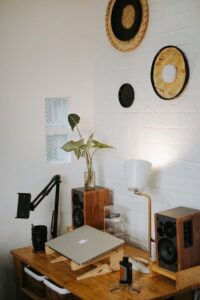
Easy Tips to Create a Relaxing Home Environment with Minimal Effort

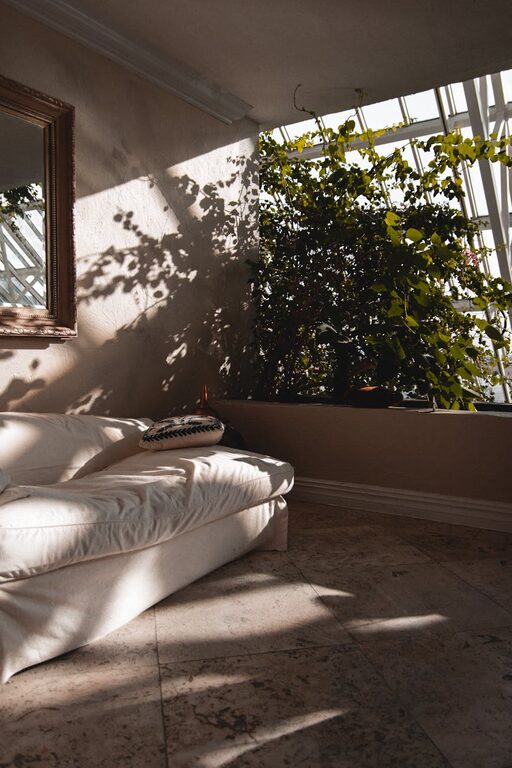
Creating a relaxing home environment doesn’t have to be complicated or time-consuming. With a few thoughtful changes, you can transform your living space into a calm and welcoming sanctuary where you can unwind after a busy day. Whether you’re new to home styling or looking for quick improvements, these tips require minimal effort but offer a big impact.
Why a Relaxing Home Environment Matters
Our homes reflect our moods and energies. A cluttered or harsh environment can increase stress, while a relaxed space promotes calmness and well-being. Taking time to create a soothing atmosphere helps to recharge your mind and body, making everyday life more enjoyable.
1. Declutter for Calm
One of the easiest ways to create a relaxing space is to reduce clutter. Excess items can make a room feel chaotic and overwhelming.
– Clear surfaces: Keep tables, counters, and shelves tidy.
– Organise storage: Use baskets, boxes, or drawers to hide away belongings.
– Let go: Donate or recycle things you no longer use or need.
A tidy home feels more spacious and serene, helping to ease your mind as soon as you step inside.
2. Choose Soothing Colours
Colours impact how we feel in a space. Opt for soft, neutral shades that encourage relaxation.
– Consider hues like pale blues, gentle greens, warm beiges or soft greys.
– Avoid overly bright or intense colours in main living areas, which can energise instead of calm.
– Add subtle colour through cushions, throws or artwork to personalise your space without overwhelming it.
3. Soft Lighting Sets the Mood
Harsh, bright light can make a room feel cold or stressful. Instead:
– Use lamps with warm bulbs to create cosy corners.
– Dimmer switches allow you to adjust lighting based on the time of day or activity.
– Natural light is ideal; keep window coverings light to invite the outdoors in.
Soft, layered lighting promotes a calming atmosphere and helps prepare your mind for relaxation in the evening.
4. Bring Nature Indoors
Plants and natural elements have a soothing effect and improve indoor air quality.
– Add a few low-maintenance plants like spider plants, pothos or succulents.
– Incorporate natural textures in your décor such as wood, stone or woven fibres.
– A small water feature or the sound of a tabletop fountain can also create a peaceful ambiance.
Even a single plant can refresh your space and bring a sense of calm.
5. Create Comfort Zones
Designate areas in your home specifically for relaxing activities.
– Add comfortable seating with soft cushions and throws.
– Consider a reading nook, meditation corner or spot for gentle stretching.
– Keep blankets or slippers nearby to enhance comfort.
Having a clearly defined relaxing zone helps your brain associate the space with rest and calm.
6. Use Calm Scents
Aromas can powerfully affect mood and relaxation.
– Choose subtle scents like lavender, chamomile or vanilla known for their calming properties.
– Use reed diffusers, scented candles or essential oil diffusers, but keep them natural and mild.
– Avoid overpowering fragrances that may cause headaches or irritation.
Scent can gently encourage relaxation and add a sensory element to your home environment.
7. Minimise Noise and Distractions
A noisy or cluttered sound environment can increase tension.
– Use soft furnishings like rugs, curtains and cushions to absorb sound.
– Consider a white noise machine, gentle music or nature sounds to mask disruptive noises.
– Keep electronic devices organised and out of sight when not in use.
A quieter, calmer soundscape supports better rest and mental clarity.
8. Keep It Simple
Remember that the goal is relaxation, which means less is often more.
– Avoid overcrowding rooms with too much furniture or decoration.
– Choose quality over quantity to create a timeless and tranquil space.
– Make changes gradually if needed to avoid feeling overwhelmed.
Simplicity in design helps reduce mental clutter and creates a harmonious home environment.
Final Thoughts
Creating a relaxing home environment doesn’t need to involve big renovations or expensive buys. By focusing on small but meaningful changes like decluttering, using calm colours, improving lighting and bringing in nature, you can build a space that feels restful and rejuvenating. Start with one or two tips that you can easily manage, and watch your home transform into a peaceful retreat.
Taking time to nurture your living space is also an act of self-care — a simple way to support your wellbeing every day. Let your home reflect the calm you want to invite into your life.