Tips for Creating a Relaxing and Productive Home Workspace

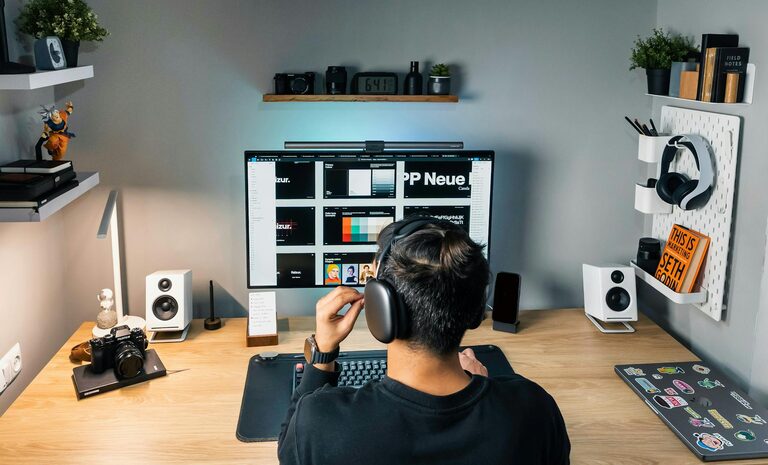
Creating a comfortable and efficient home workspace can make a significant difference to your daily productivity and overall wellbeing. Whether you’re working remotely, studying, or managing household tasks, a thoughtfully designed environment helps maintain focus and reduce stress. In this post, we’ll explore practical tips to help you create a workspace that is both relaxing and productive.
Choose the Right Location
Selecting the right spot in your home is the first step to establishing a functional workspace. Ideally, pick a quiet corner or room with minimal distractions. If possible, position your desk near a window to benefit from natural light, which can enhance mood and energy levels.
If space is limited, consider a multi-use area where your workspace can be neatly organised and easily stowed away when not in use. Avoid working in areas that are associated with rest, like your bed or sofa, to help your brain separate work time from relaxation.
Invest in Comfortable Furniture
Comfort is essential for both productivity and relaxation. Choose an ergonomic chair that supports your posture and reduces strain on your back and neck. A desk at the correct height will help prevent discomfort during long working hours. Adjustable furniture can be beneficial if you share your workspace or if you like to alternate between sitting and standing.
Adding a footrest or a cushion can further improve comfort. Remember, a comfortable setup not only protects your health but also helps you stay focused longer.
Organise and Declutter
A tidy workspace fosters a calm mind. Use storage solutions like shelves, drawers, and organisers to keep supplies and documents in order. Label containers to make it easier to find items quickly. Clear away anything that’s not needed for your immediate tasks.
Set aside time each day or week to tidy your workspace. This simple habit prevents clutter from building up and keeps your work area inviting.
Personalise Your Space
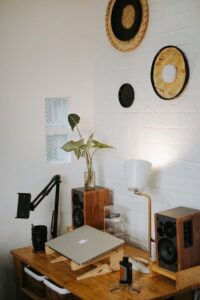
Adding personal touches can make your workspace more welcoming and inspiring. Consider photos, plants, or artwork that motivate you. Greenery, in particular, has been shown to reduce stress and improve air quality.
However, try to strike a balance: too many items can become a distraction, so choose meaningful objects that contribute to a positive atmosphere without overwhelming your space.
Manage Noise and Distractions
Background noise can disrupt concentration. If you live in a noisy environment, think about ways to reduce sound, such as using noise-cancelling headphones or adding soft furnishings like rugs and curtains, which absorb sound.
Also, keep electronic distractions in check by silencing unnecessary notifications and using apps or browser extensions that block distracting websites during work hours.
Use Effective Lighting
Good lighting is vital for comfort and productivity. Natural light is best, but if that’s limited, invest in quality task lighting such as adjustable desk lamps with warm light settings. Avoid harsh fluorescent lights that can cause eye strain.
Position your lighting to avoid glare on your screen and create a well-lit space that reduces fatigue.
Establish a Routine and Boundaries
Creating a routine helps your brain switch into work mode and signals when it’s time to rest. Set consistent working hours and stick to breaks. Use a timer or time-blocking methods to manage tasks efficiently.
Communicate your working hours to family or housemates to reduce interruptions. This boundary-setting is essential for maintaining the balance between work and home life.
Incorporate Relaxation Areas or Items
If space allows, create a small corner with items or furniture for relaxation during breaks, such as a comfortable chair or a cushion for stretching. Having a dedicated relaxation spot encourages regular breaks, which boost overall productivity and reduce burnout.
Incorporate elements like calming scents, a small water feature, or soft music to enhance relaxation during these moments.
Optimise Technology and Connectivity
Ensure your internet connection is reliable to avoid frustrating disruptions. Organise cables neatly using clips or sleeves to keep your desk clutter-free.
Set up essential tools and software before starting your workday to maintain a smooth workflow. Keeping technology updated and secure also protects your privacy and data.
Keep Hydrated and Snack Wisely
Keep a water bottle at your desk to remind yourself to stay hydrated. Proper hydration supports concentration and energy.
Opt for healthy snacks such as nuts, fruits, or yoghurt rather than sugary or processed foods. These choices help maintain stable energy levels without causing unwanted crashes.
—
Creating a relaxing and productive home workspace doesn’t require a complete overhaul. Small adjustments and thoughtful organisation can transform your environment, making your workdays more enjoyable and efficient. Start with a few of these tips, and adjust according to your personal needs to find the perfect balance between calm and focus.