Affordable Ways to Create a Calm and Relaxing Home Space

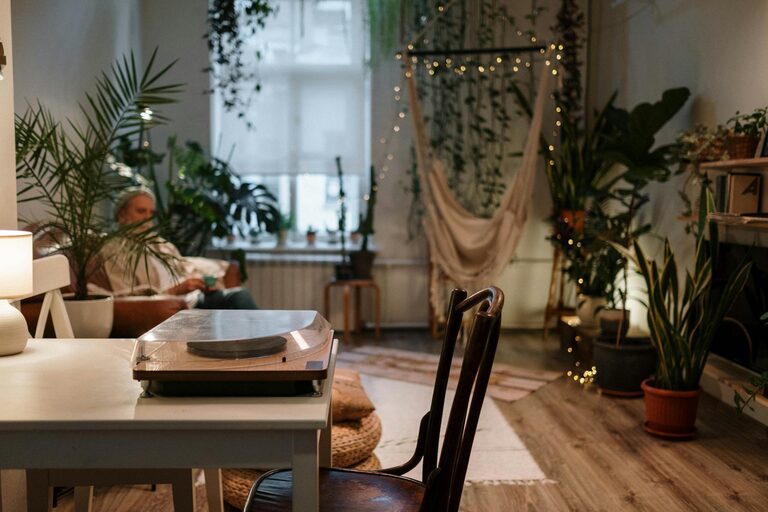
Creating a relaxing home environment doesn’t need to be costly. With some thoughtful planning and simple touches, you can transform your space into a peaceful retreat that supports your wellbeing. Here are practical tips to help you design a calm and inviting home on a budget.
Start with Decluttering
A cluttered space can lead to a cluttered mind. Before you introduce new decor or changes, take the time to declutter your home.
– Sort through your belongings and decide what to keep, donate, or recycle.
– Use storage boxes or baskets to organise items neatly and keep surfaces clear.
– Clear pathways and floors to enhance a sense of openness.
Decluttering doesn’t cost anything, and it immediately promotes a feeling of calm and order.
Choose Soothing Colours
Colour sets the tone for any room. To create a relaxing environment, opt for soft, neutral shades or gentle pastels.
– Light blues, greens and creamy whites are known for their calming effects.
– Use colours on walls, cushions, throws, or curtains to add a peaceful vibe.
– If painting isn’t in your budget, consider affordable wall decals or removable wallpaper for a quick update.
Soft colours help reduce stress and create a soothing backdrop for your home.
Bring in Natural Elements
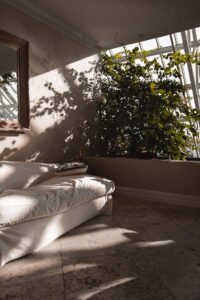
Nature has a calming influence, so incorporating natural elements can enhance your home’s peaceful feel.
– Add houseplants; they purify the air and bring greenery inside. Choose low-maintenance plants like snake plants or pothos.
– Use natural fibres such as cotton, linen or jute in rugs, cushions and curtains.
– Collect natural items like pebbles, shells or wooden pieces to display as decorative accents.
Natural textures and greenery create a connection to the outdoors and improve your mood.
Make Use of Soft Lighting
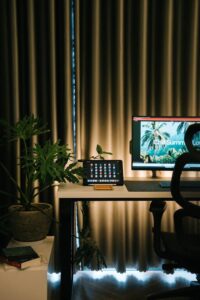
Harsh lighting can disrupt relaxation. Instead, aim for soft, warm lighting that creates a cosy atmosphere.
– Use table lamps or floor lamps with warm bulbs instead of relying solely on overhead lights.
– Consider string lights or fairy lights for a gentle glow.
– Make use of candles, whether scented or unscented, for calming flickering light — just practise safety.
Adjustable lighting allows you to tailor the mood depending on the time of day and activity.
Create a Comforting Scentscape
Scent is a powerful way to boost relaxation. You don’t need expensive diffusers or candles to enjoy pleasant aromas.
– Use natural herbs like lavender or rosemary in sachets or dried bundles.
– Simmer citrus peels, cinnamon sticks or cloves on the stove to fill your home with a fresh aroma.
– Try inexpensive essential oils with a simple oil burner or a few drops on cotton balls placed around rooms.
Pleasant smells can reduce anxiety and encourage a peaceful mindset.
Designate a Relaxation Zone
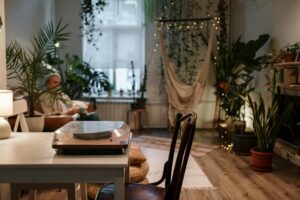
A specific area devoted to relaxation can be beneficial. It might be a corner, chair or nook where you retreat to unwind.
– Add soft cushions or a throw blanket for extra comfort.
– Keep this space tidy, uncluttered and reserved for relaxation activities such as reading, meditation or listening to music.
– Place a small shelf nearby for books, tea, plants or candles.
This dedicated spot acts as a calming sanctuary within your home.
Incorporate Simple DIY Projects
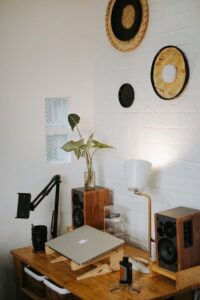
DIY projects can personalise your space and make it feel more inviting without much expense.
– Create your own artwork or framed inspirational quotes.
– Sew cushion covers or knit throws using affordable materials.
– Repurpose old furniture with a fresh coat of paint or new handles.
Doing these projects also offers a mindful, enjoyable activity that contributes to your wellbeing.
Maintain Cleanliness and Fresh Air
A clean home is naturally more relaxing to be in.
– Develop simple daily cleaning habits like making beds, wiping surfaces and tidying up.
– Open windows regularly to let in fresh air and sunlight.
– Use inexpensive air purifiers or plants to improve indoor air quality.
Cleanliness and fresh air help your home feel lighter and more comfortable.
Use Budget-Friendly Furnishings and Accessories
You don’t need to buy new, expensive furniture to create a relaxing home.
– Look for secondhand or charity shop finds; a little refurbishment can reveal hidden gems.
– Swap or share items with friends or family for a change in style.
– Keep furnishings minimal to avoid overcrowding and encourage calm.
Simple, well-chosen pieces contribute to a harmonious environment.
—
Final Thoughts
Creating a relaxing home environment on a budget is entirely achievable by focusing on simplicity, natural elements, and personal touches. Start with decluttering, choose soothing colours, bring nature indoors, and use soft lighting and comforting scents. Designate a relaxation space and maintain cleanliness to enjoy a peaceful retreat every day. With a little creativity and patience, your home can become your sanctuary without the need for a hefty budget.