
Tips for Creating a Calming Home Environment with Everyday Items

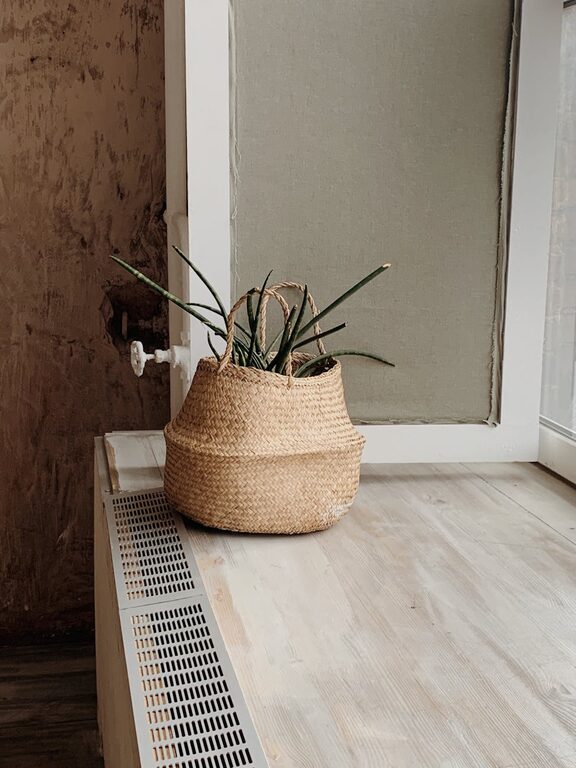
Creating a calming home environment is essential for balancing the stresses of everyday life. You don’t need to spend a fortune or buy specialised products to make your living space more peaceful. With a few everyday items and simple adjustments, you can turn your home into a relaxing sanctuary. Here are some practical tips to help you create a calming atmosphere that nurtures comfort and serenity.
Declutter and Organise
One of the easiest and most effective ways to create a calm room is to clear away clutter. Mess and disorder can cause underlying stress and distraction.
– Sort items regularly: Use baskets or boxes to keep smaller things organised.
– Put things away: Develop a habit of tidying up daily so items are not left scattered.
– Donate or recycle: Reduce clutter by giving away items you no longer need.
A tidy home feels more open and welcoming, which helps promote calm and focus.
Use Natural Light to Your Advantage
Natural light has a positive effect on mood and energy.
– Open curtains and blinds: Let sunlight flood into rooms during the day.
– Place mirrors strategically: Reflect light to brighten darker areas.
– Choose sheer window coverings: These diffuse light softly while maintaining privacy.
If natural light is limited, consider using warm, soft lighting to mimic a relaxing ambiance during evening hours.
Bring Nature Indoors
Adding natural elements can instantly create a soothing vibe.
– Houseplants: They improve air quality and add a touch of greenery. Easy-care options include spider plants, pothos, and snake plants.
– Fresh flowers: A small bouquet can boost your mood and freshness.
– Natural materials: Use wooden bowls, stone ornaments, or bamboo accents for texture and warmth.
These elements can connect you to nature, which is known to reduce anxiety and enhance relaxation.
Incorporate Calming Scents
Scents have a powerful influence on the mind and body.
– Essential oils: Lavender, chamomile, and eucalyptus are popular for calming effects. Use in a diffuser or add a few drops to cotton pads placed discreetly around.
– Scented candles: Opt for natural soy candles that provide both gentle light and aromatherapy.
– Simmer pots: Boil water with cinnamon sticks, cloves, or orange peels for a cosy fragrance.
Always ensure good ventilation and keep safety precautions in mind when using candles or simmer pots.
Choose Soothing Colours
The colours you surround yourself with can affect your mood and sense of peace.
– Soft neutrals: Shades like cream, beige, pale grey, and soft taupe promote calm.
– Muted blues and greens: These colours are linked with relaxation and tranquility.
– Avoid bright, loud colours: These can be overstimulating and disruptive to a peaceful atmosphere.
You don’t have to redecorate completely; adding cushions, throws, or curtains in these colours can make a big difference.
Create a Comfortable Seating Area
A dedicated spot to relax encourages mindfulness and rest.
– Comfortable cushions and throws: Soft textures invite you to unwind.
– Ergonomic seating: Use chairs or sofas that offer good support.
– Keep the space clutter-free: This area should feel inviting and peaceful.
This corner can be your go-to place for reading, meditating, or simply enjoying a moment of calm.
Use Everyday Items as Calm Triggers
Certain household items can serve as reminders to pause and relax.
– A favourite mug: Use it for your evening tea or warm drinks to create a soothing ritual.
– Books and journals: Keeping these accessible encourages relaxation and reflection.
– Music player or speaker: Soft background music can enhance serenity.
Integrating these small rituals into your routine helps establish a calming home environment effortlessly.
Prioritise Comfortable Textiles
Soft, natural textiles add warmth and promote relaxation.
– Cotton, linen, and wool: These materials are breathable and pleasant to touch.
– Layer blankets and cushions: This adds visual softness and physical comfort.
– Wash fabrics regularly: Fresh textiles improve the overall feel of a space.
Even simple bedding upgrades can transform your bedroom into a restful haven.
Limit Noise and Distractions
A peaceful environment is about more than just sight and smell—it’s also about sound.
– Use rugs and curtains: They absorb sound and reduce echo.
– Switch off unnecessary electronics: Reduce background noise from TVs or radios.
– Consider white noise machines: These can help mask disruptive sounds if you live in a noisy area.
A quieter home supports better relaxation and sleep quality.
Personalise Your Space
Your home should reflect what calms you personally.
– Display meaningful items: Photos, art, or keepsakes can bring comfort.
– Create a dedicated meditation or yoga area: Even a small corner can make a difference.
– Add soft lighting: Lamps with dimmers give you control over the ambience.
Tailoring your environment to your tastes makes the calming effects more powerful and authentic.
—
By using these tips and everyday items, you can make your home a place of calm and comfort. Small changes can lead to a more mindful daily life where relaxation comes naturally. Remember, creating a calming environment is an ongoing process that evolves with your needs and lifestyle. Start with one or two ideas and build from there, making your home a true sanctuary.